
Yes! When planned properly, a luxury safari in South Africa is very safe for children. Reputable lodges operate under strict safety procedures, guides are highly trained, and family-friendly reserves are designed to accommodate younger travellers. The key is choosing the right safari area, the right lodge and the right style of experience for your children’s ages.
For most families, safari is far safer than they initially imagine.
The concern is understandable. The images people associate with safari often involve lions, elephants and open vehicles. Yet the reality of a modern family safari in South Africa is carefully managed, highly structured and designed around guest safety.
The goal is not to remove adventure.
It is to create space for children to experience Africa with confidence.

Why Parents Worry About Safari Safety
The questions are remarkably consistent.
Will wild animals come into camp?
What happens if a child becomes noisy during a game drive?
Are safari vehicles safe?
Can young children cope with the experience?
These are sensible concerns. They are also questions we discuss with almost every family planning their first safari.
The reassuring reality is that safari lodges have spent decades refining how families experience the bush. Safety procedures are not an afterthought. They are woven into every aspect of the experience.
Are Children Safe Around Wildlife?
This is usually the biggest concern.
The answer lies in understanding how safari works.
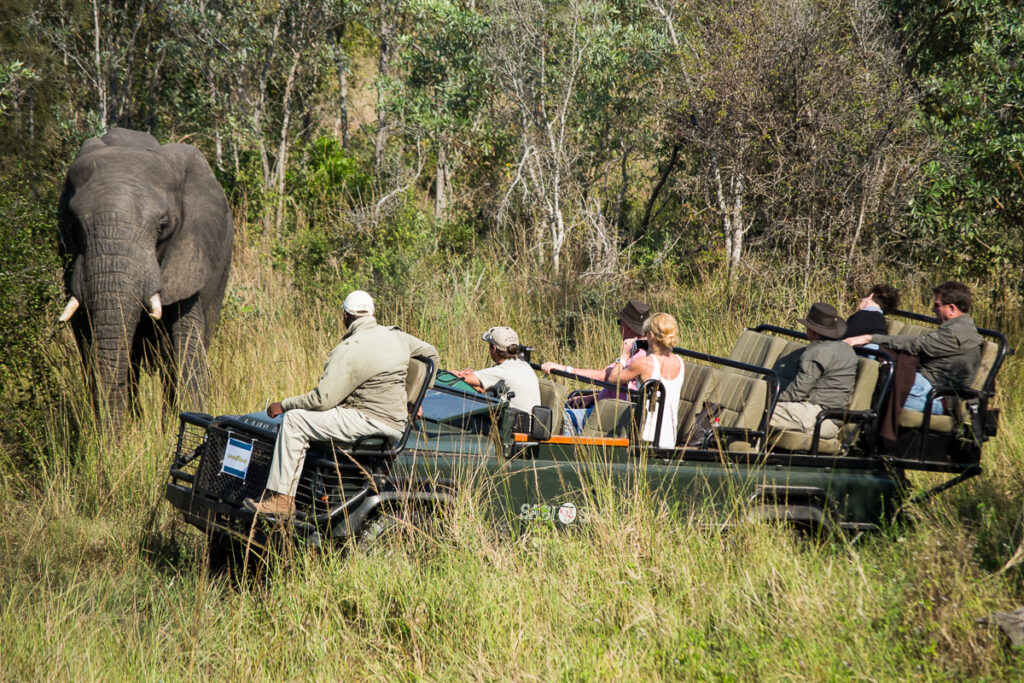
Wildlife is viewed under the supervision of professional guides who spend years learning animal behaviour, vehicle positioning and risk management. Guests are briefed clearly before every activity and guides make decisions based on conditions in the moment.
On Game Drives
For children, game drives are one of the safest ways to experience wildlife.
Animals generally view safari vehicles as a single, non-threatening object. As long as guests remain seated and follow instructions, wildlife encounters are typically calm and predictable.
This is why guides ask guests not to stand suddenly, lean out of vehicles or make unnecessary noise.
The rules are simple because they work.
Around the Lodge
Many family lodges are fenced, particularly in areas designed for younger children.
Others are located in unfenced wilderness areas where wildlife may occasionally move through camp.
In these properties, children should always be accompanied by adults when moving around after dark. Lodges provide escorts when required and staff are accustomed to guiding families through these procedures.
For most guests, these precautions quickly become part of the rhythm of safari life.

What About Malaria?
For many parents, malaria is a bigger concern than wildlife.
South Africa offers several options.
Malaria-Free Safari Areas
If you are travelling with young children, reserves such as Madikwe and many Eastern Cape safari destinations provide exceptional wildlife experiences without malaria concerns.
These areas are often our first recommendation for families with babies, toddlers or parents seeking complete peace of mind.
Low-Risk Safari Regions
The Greater Kruger falls within a malaria area, although the actual risk varies by season and location.
Many families travel here every year without issue. Appropriate medical advice, sensible precautions and guidance from your healthcare provider are usually all that is required.
The important point is that families have choices.
Safari in South Africa is not limited to a single destination.
Is Safari Suitable for Toddlers?
Yes, but the experience should be tailored accordingly.
A safari with a two-year-old will look very different from a safari with an eight-year-old.
The mistake many families make is trying to force young children into an adult safari schedule.
Instead, we recommend building a child-friendly safari around their natural pace.

What Works Best with Younger Children?
Look for:
- Family suites or private villas
- Flexible meal schedules
- Child-focused activities
- Swimming pools
- Short transfer times
- Private safari vehicles
At this age, wildlife sightings are only part of the experience.
A toddler may be just as fascinated by guinea fowl wandering across a lawn or monkeys moving through the canopy as they are by the Big Five.
Allow space for curiosity.
The safari becomes richer when expectations remain flexible.
Are Safari Vehicles Safe?
Yes.
Safari vehicles are specifically designed for wildlife viewing and are operated by experienced guides who understand both terrain and animal behaviour.
Children are usually safer in safari vehicles than many parents expect.
Why Private Vehicles Can Help
For families, private vehicles often provide an additional layer of comfort.
Parents do not need to worry about disrupting other guests if a child becomes restless. Guides can adapt drive lengths, take breaks when needed and focus on the interests of the family.
The experience becomes more relaxed for everyone.
It is not essential, but it is often worthwhile.
How Do Lodges Keep Children Safe?
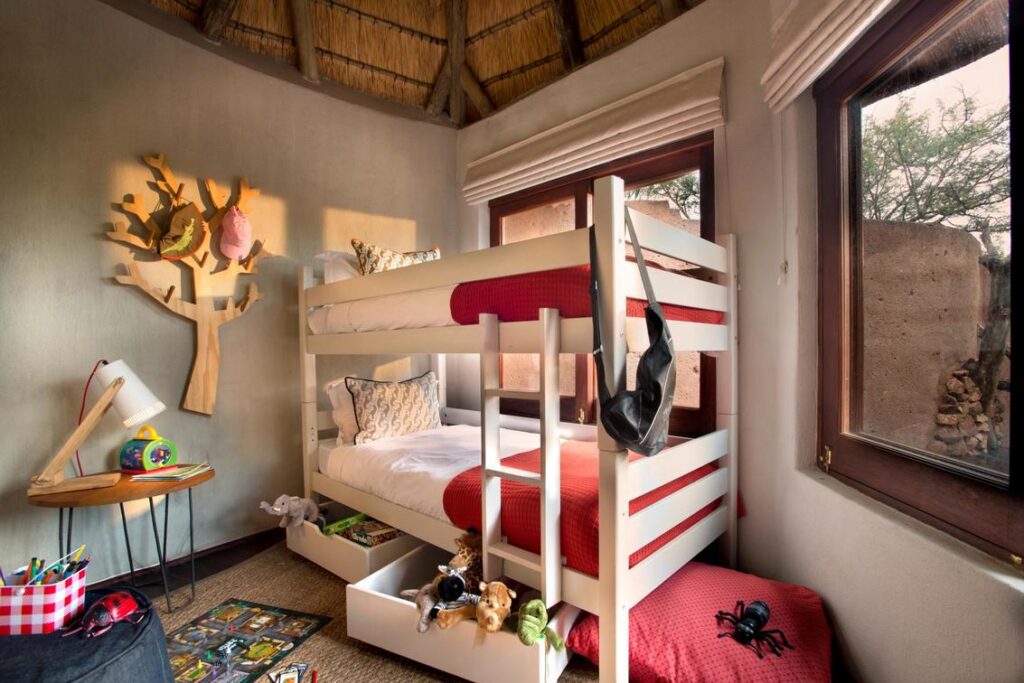
The best family lodges have thought carefully about safety long before guests arrive.
Family-Friendly Features
Depending on the property, this may include:
- Interleading rooms
- Family suites
- Child-safe pool areas
- Dedicated children’s programmes
- Age-appropriate activities
- Babysitting services
- Private dining options
Many lodges also provide children’s guides, junior ranger programmes and educational activities designed to help younger travellers understand the environment around them.
Children are not simply accommodated.
They are actively included.
Common Safari Risks and How They Are Managed
No travel experience is entirely without risk.
Safari is no different.
The difference is that risks are understood, anticipated and carefully managed.
Wildlife Encounters
Managed through professional guiding, lodge procedures and guest briefings.
Long Travel Days
Managed through thoughtful itinerary design.
We often recommend fewer properties, shorter transfer times and direct flight routes where possible.
Health Concerns
Managed through destination selection, medical advice and choosing lodges suited to family travel.
Boredom
Perhaps the least discussed concern, and often the least justified.
Children are naturally curious. Animal tracks in warm dust, a dung beetle crossing a path, a herd of elephants moving silently through river reeds. Safari engages attention in ways screens rarely can.
The key is choosing experiences appropriate to the child’s age.

Which Safari Areas Are Best for Families?
There is no single answer.
Different families prioritise different things.
Madikwe
Excellent for younger children and parents seeking a malaria-free safari with straightforward logistics.
Eastern Cape
Ideal when combining safari with Cape Town and the Garden Route. Accessible, relaxed and particularly well suited to first-time safari families.
Greater Kruger
Outstanding wildlife viewing and an exceptional choice for older children and families wanting a more traditional safari experience.
The best safari is rarely the most famous one.
It is the one that fits naturally into the wider journey.
The Real Question Parents Should Ask
Parents often ask whether safari is safe for children.
In our experience, the more useful question is whether the safari has been designed with children in mind.
A family staying in a private suite with a dedicated guide, short transfers and a lodge that genuinely welcomes younger travellers will have a completely different experience from a family placed into a generic safari itinerary.
The destination matters.
The planning matters more.
Our Approach to Family Safari Safety
At Journey Africa, we start with the practical questions.
How old are the children?
How do they travel?
Would a malaria-free reserve provide greater peace of mind?
Would a private vehicle improve flexibility?
Which lodges genuinely cater to families rather than simply accept them?
The answers shape every recommendation we make.
A successful family safari should feel considered. Smooth transfers. Well-chosen lodges. Space to pause. Time together beneath a sky scattered with stars after the day’s final sighting.
South Africa remains one of the safest and most rewarding safari destinations for families.
With the right planning, parents can focus less on potential risks and more on what brought them there in the first place—the chance to experience Africa together.
Planning a Family Safari?
If you are considering a safari in South Africa with children, speak with our team. We will help you select the right reserve, lodge and itinerary for your family, balancing safety, comfort and extraordinary wildlife experiences from the very beginning.